
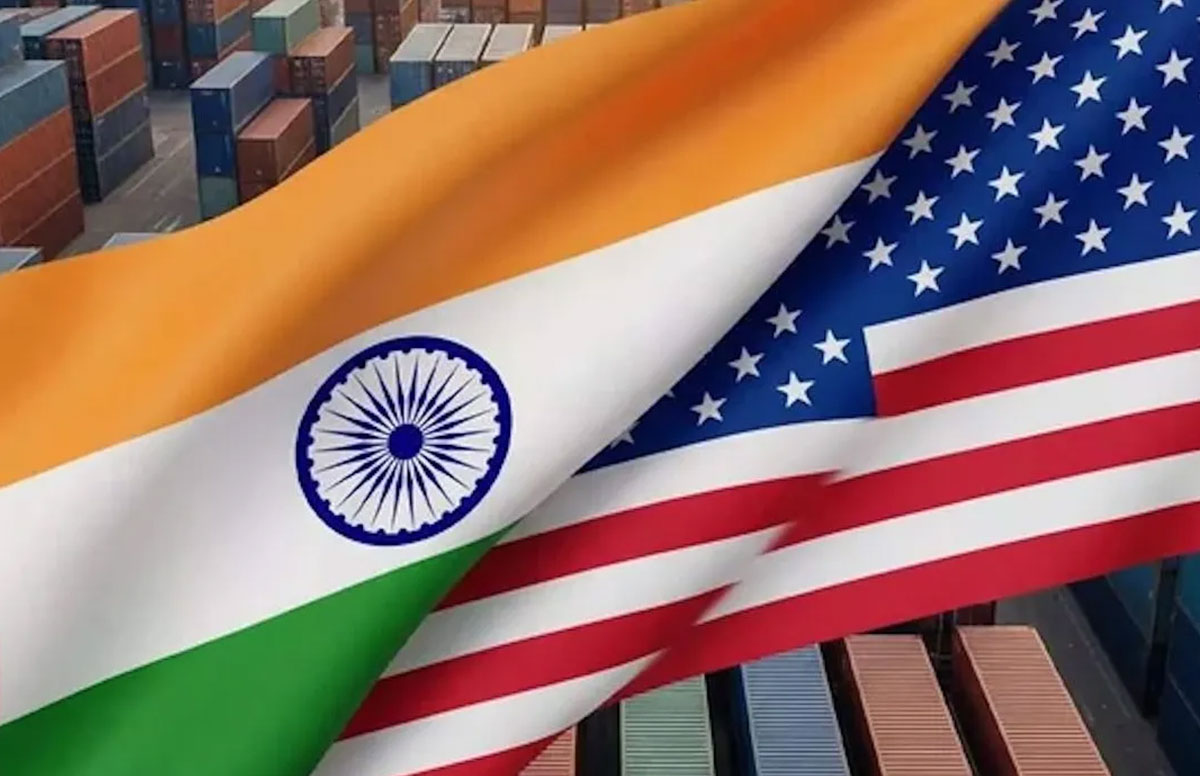
U.S.-India Trade Deal May Regain Momentum
A fresh push to finalize a U.S.-India trade agreement could gather speed as Washington watches other major economies move to lower barriers and deepen commercial ties without the United States at the center of every deal.
The catalyst is the newly completed India–European Union free trade agreement, which includes a phased reduction of tariffs on most goods traded between the two sides. The deal has reinforced a broader point for U.S. policymakers: large markets are still willing to strike wide-ranging agreements, and they are doing so even while U.S. tariff policy remains a dominant feature of global trade.
For the United States, the timing is awkward. While Washington maintains structured trade arrangements with multiple partners, talks with India have struggled to reach a conclusion, even as the U.S. has imposed very high tariffs on Indian goods. The risk is not simply commercial. If India locks in improved access to the EU market, New Delhi gains a larger set of options, which can affect leverage, sequencing, and urgency in U.S. negotiations.
Still, the EU deal does not automatically derail a U.S.-India agreement. If anything, it can sharpen incentives on both sides. For Washington, it is a reminder that India is actively expanding its network of trade partners. For New Delhi, the EU agreement provides export diversification, but it does not replace the strategic and economic value of a stable U.S. relationship, given the size of bilateral trade in goods and services and the broader security partnership.
Indian officials have also continued to signal that U.S. talks are advanced, even if they are reluctant to give a timeline. That posture suggests the negotiations are not stuck at the level of broad intent, but rather at the level of politically sensitive detail, where trade deals are usually won or lost.
The main sticking points are familiar. The United States has pushed for wider access to India’s agricultural market, an area that is domestically sensitive given the structure of the farm economy and the political weight of rural constituencies. Another friction point is energy, including U.S. pressure related to India’s purchases of discounted Russian oil. These issues are difficult because they touch domestic politics, not just tariffs and quotas.
The new EU agreement changes the backdrop but not the underlying math. India may feel modestly less pressure to accept unfavorable terms if it can point to alternative demand in Europe. At the same time, exporters and manufacturers typically prefer multiple large-market pathways, and the U.S. remains too important to treat as optional. That is why the most likely outcome is not abandonment, but recalibration: a renewed effort to close gaps, paired with tougher bargaining on the hardest chapters.
Markets and multinational companies will be watching for near-term signals that talks are being accelerated. Those signals could include a narrower interim package, targeted concessions on priority sectors, or a clearer schedule for resolving the most contentious areas. The challenge is that both sides need a deal that can survive domestic scrutiny. In the United States, that means demonstrating market access wins. In India, it means avoiding the perception of compromising on politically charged areas such as farming, energy security, and strategic autonomy.
The EU–India agreement does not guarantee a U.S.-India breakthrough, but it does change the optics. It shows that India can close large, complex deals and underscores that major trading blocs are willing to move forward without waiting for Washington. If the White House concludes that it can live with trade flows shifting and alliances deepening elsewhere, urgency could fade. If it concludes the opposite, the EU deal could be the nudge that finally brings U.S.-India talks back to the front burner.